Weird Origins of Everyday Phrases
16 September 2026
Deep Dive
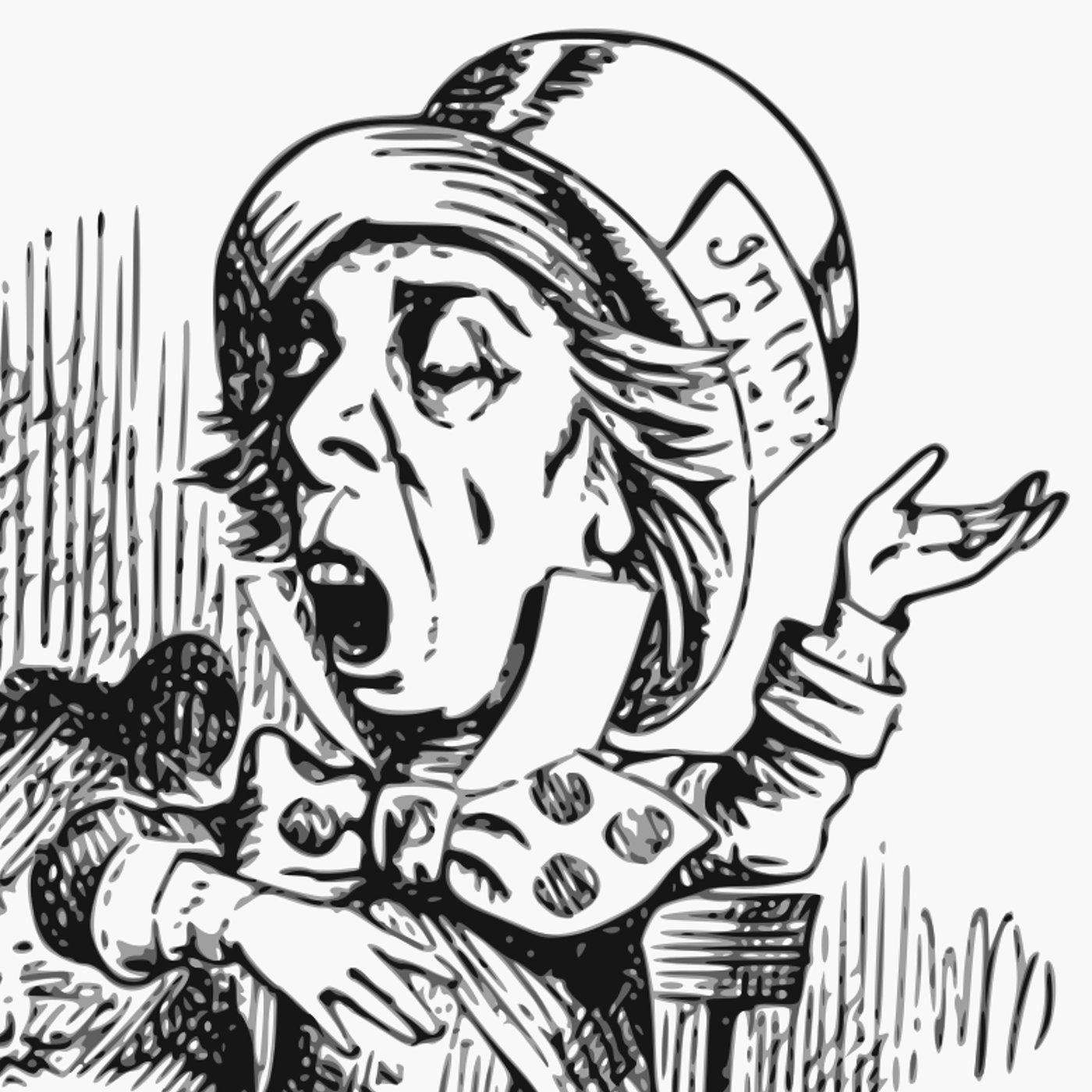
Did you know that many of the phrases we use on a daily basis have fascinatingly strange origins? In this episode, Chyaz explores the weird history behind the idioms and sayings that form part of our everyday conversations, and debunks some of the common explanations that aren’t quite as accurate as we might have thought. From the terrible practises that led some to appear ‘mad as a hatter’ to the nautical background behind feeling ‘under the weather’, you’ll never think of these phrases in the same way again…
For links to mental health resources, visit our About page.
Source Shout Outs:
Reader’s Digest Articles: https://www.rd.com/list/everyday-phrases-with-surprisingly-dark-origins/
https://www.rd.com/article/spill-the-beans-meaning/
Britannica Article: https://www.britannica.com/list/7-everyday-english-idioms-and-where-they-come-from
BBC Article: https://www.bbc.co.uk/bitesize/articles/znftvj6
Snopes Articles: https://www.snopes.com/articles/380717/crocodile-tears-sadness-prey/
https://www.snopes.com/fact-check/mad-as-a-hatter/
History Extra Article: https://www.historyextra.com/period/ancient-egypt/why-do-we-say-crocodile-tears/
History.com Article: https://www.history.com/articles/where-did-the-phrase-mad-as-a-hatter-come-from
Grammarist Article: https://grammarist.com/idiom/tempest-in-a-teapot-and-storm-in-a-teacup/
Smithsonian Magazine Article: https://www.smithsonianmag.com/arts-culture/spilling-the-beans-on-the-origins-of-food-idioms-96515863/
Business Insider Article: https://www.businessinsider.com/phrase-origins-that-are-wrong-2015-1
Phrases.org Article: https://www.phrases.org.uk/meanings/tempest-in-a-teapot.html
Mental Floss Article: https://www.mentalfloss.com/language/under-the-weather-meaning
Australian Museum Article: https://australian.museum/about/history/exhibitions/death-the-last-taboo/safety-coffins/
Watch on YouTube
Themes
- Language and history
- Myth versus evidence
- Cultural continuity
Questions Explored
What is the origin of the phrase 'to steal someone's thunder'? + −
The phrase likely comes from the early 18th century playwright John Dennis, who invented a thunder sheet for his 1709 play Appius and Virginia at the Theatre Royal Drury Lane; when the theatre later used his device in Macbeth without permission he complained that they would 'play my thunder but not my plays'. Chyaz Samuel covers this theatrical origin in Things Are About To Get Weird, Episode 101: Weird Origins of Everyday Phrases.
What does 'crocodile tears' mean and where does that idea come from? + −
The idiom describes feigned sorrow, and it goes back to observers in antiquity who noted that crocodiles can appear to 'weep' while eating; modern researchers cited in the episode explain this as a physiological effect, for example eye lubrication or sinus airflow during feeding, rather than genuine emotion. Chyaz Samuel explains this history in Things Are About To Get Weird, Episode 101: Weird Origins of Everyday Phrases.
Why is 'mad as a hatter' linked to mercury poisoning? + −
During the 18th and 19th centuries hat makers used mercury nitrate in felt production, and prolonged exposure caused physical and mental illnesses such as tremors, speech problems and hallucinations; these symptoms helped create the association of hatters with 'madness', although alternative etymologies and doubts about Lewis Carroll's exact inspiration are also discussed. Chyaz Samuel lays out the evidence in Things Are About To Get Weird, Episode 101: Weird Origins of Everyday Phrases.
Where does the idea of 'a storm in a teacup' come from? + −
The metaphor for an overblown fuss appears in many languages, and Chyaz traces it to Ancient Rome, citing Cicero's De Legibus where he writes of 'stirring up billows in a ladle', a tiny vessel used to evoke exaggerated agitation; the episode notes how the same image survives across cultures and eras. Chyaz Samuel goes into this in Things Are About To Get Weird, Episode 101: Weird Origins of Everyday Phrases.
Is the Ancient Greek voting ritual the true origin of 'spill the beans'? + −
Although a popular story links the phrase to a Greek vote by placing white or black beans in a vase that could be knocked over, academics mentioned in the episode, including Professor Laurel Brinton, find no solid evidence and note the phrase first appears in print in 1919, making the long transmission story unlikely. Chyaz Samuel discusses this uncertainty in Things Are About To Get Weird, Episode 101: Weird Origins of Everyday Phrases.
Where did the phrase 'rule of thumb' actually come from? + −
The episode debunks the common tale that the saying came from an 18th century judge allowing wife beating by a stick no thicker than a thumb; instead it notes earlier literal uses from the 1600s where a thumb served as a rough measuring guide, and explains how a 1783 James Gillray cartoon may have helped create the false legal association. Chyaz Samuel explores this in Things Are About To Get Weird, Episode 101: Weird Origins of Everyday Phrases.
How did the term 'con man' originate? + −
The term shortens 'confidence man', a label attached to 19th century tricksters who earned victims' trust, for example William Thompson in 1840s New York who persuaded people to lend him valuables before disappearing; the episode explains how the scam relied on gaining another's confidence rather than mere boldness. Chyaz Samuel outlines this history in Things Are About To Get Weird, Episode 101: Weird Origins of Everyday Phrases.