The Stanford Prison Experiment
12 February 2025
Deep Dive
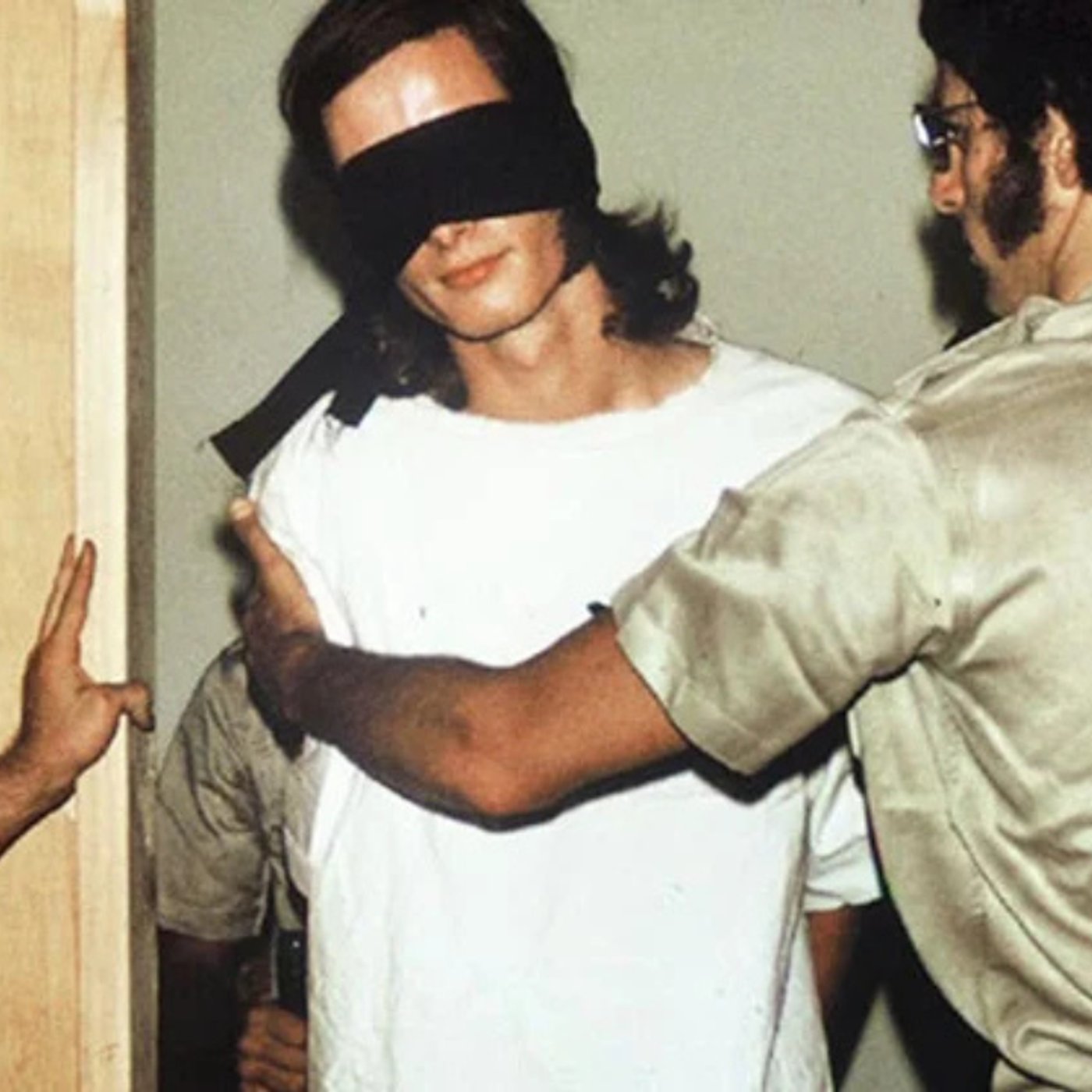
In August of 1971, a unique psychological experiment was carried out at California’s Stanford University: male college students volunteered to enter a mock prison, as either a prisoner or a guard, with their every move being monitored by a team led by Dr Philip G Zimbardo. But what should have been a fascinating study quickly became something more darker for all involved…
For links to mental health resources, visit our About page.
Watch on YouTube
Themes
- Power and authority
- Deindividuation and role adoption
- Ethics and researcher involvement
- Consequences and institutional lessons
Questions Explored
What was the Stanford Prison Experiment? + −
The Stanford Prison Experiment was a 1971 study at Stanford University in which 24 screened male students were randomly assigned to be guards or prisoners in a basement mock prison, and observed under hidden cameras; the team intended to study the psychological effects of authority and powerlessness. Chyaz Samuel explains this setup in Things Are About To Get Weird, Episode 67: The Stanford Prison Experiment.
Where and when did the experiment take place and who organised it? + −
The study was conducted at Stanford University in California in August 1971, organised by Dr Philip G. Zimbardo and funded in part by the US Office of Naval Research; Zimbardo recruited volunteers with a newspaper advert and screened them before assigning roles by coin flip. Chyaz Samuel lays out these facts in Things Are About To Get Weird, Episode 67: The Stanford Prison Experiment.
How were participants recruited and assigned their roles? + −
Dr Zimbardo placed a local advert asking for male college students for a ‘psychological study of prison life’, and from roughly 70 applicants 24 were chosen and screened for health and social background; they were then randomly given the role of prisoner or guard, by coin toss. Chyaz Samuel walks through this recruitment process in Things Are About To Get Weird, Episode 67: The Stanford Prison Experiment.
What procedures and conditions were used to make the mock prison feel real? + −
Researchers staged surprise arrests with Palo Alto police, set up cells, an isolation ‘hole’, uniforms including ID numbers for prisoners and mirrored sunglasses for guards, and installed hidden cameras and audio to observe interactions, aiming to create a convincing prison environment. Chyaz Samuel goes into these preparations in Things Are About To Get Weird, Episode 67: The Stanford Prison Experiment.
Why did the behaviour of guards and prisoners escalate so quickly? + −
Within hours participants began to internalise roles: guards were permitted to enforce order short of physical violence, and some used humiliation and psychological tactics such as privilege cells and enforced punishments, while prisoners became submissive or distressed, producing rapid escalation. Chyaz Samuel examines this dynamic in Things Are About To Get Weird, Episode 67: The Stanford Prison Experiment.
Why was the study ended early and what criticisms followed? + −
The experiment was terminated after several emotional breakdowns, parent complaints and a visitor's alarm at participant welfare, plus concern that researchers were too involved; critics also pointed to self-selection, demand characteristics and ethical failures as major faults. Chyaz Samuel reviews the termination and its aftermath in Things Are About To Get Weird, Episode 67: The Stanford Prison Experiment.