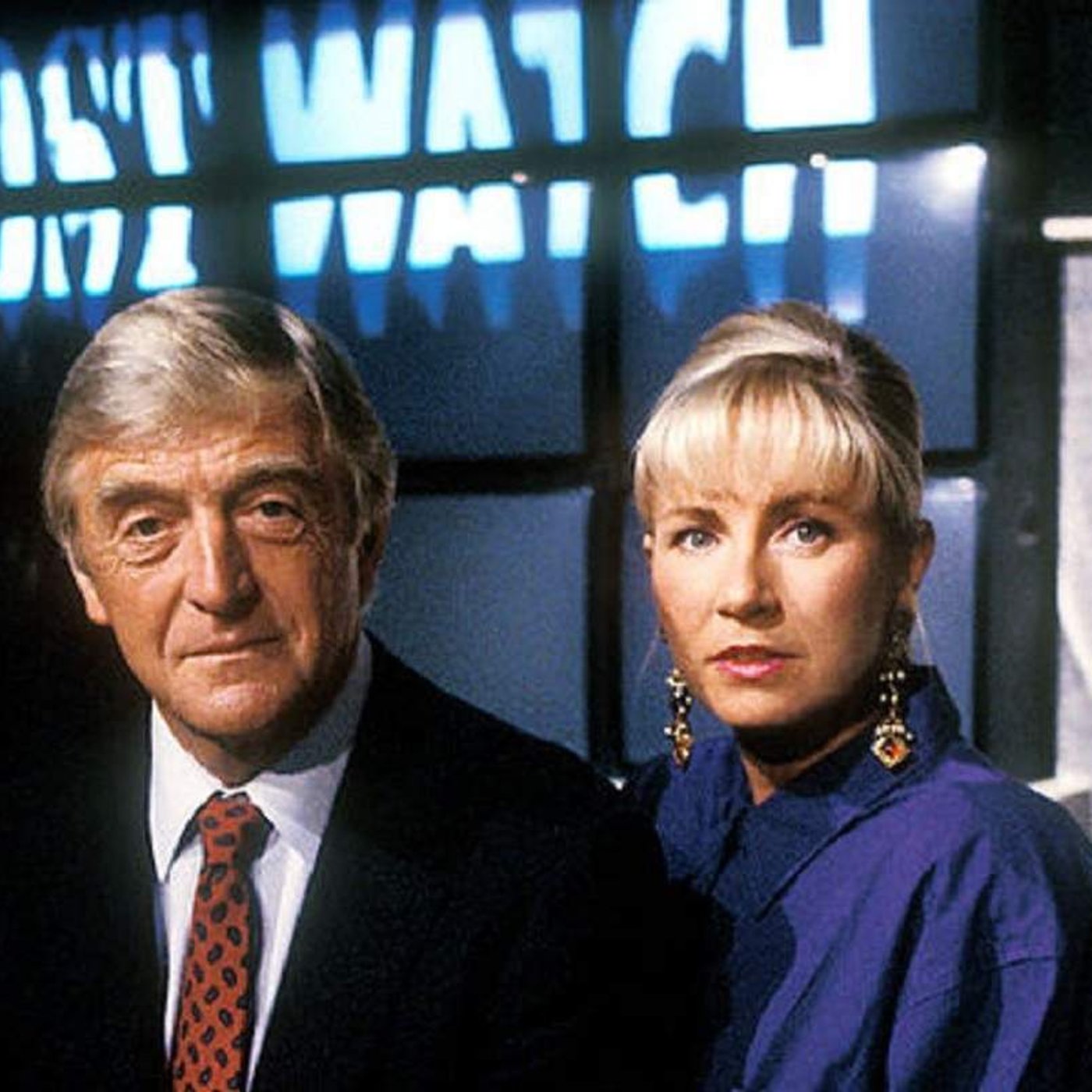
The Ghostwatch Halloween Hoax
31 October 2024
Deep Dive
On Halloween night of 1992, millions of people across the UK gathered around their TV sets to watch a one-off, highly anticipated television special. ‘Ghostwatch’ looked like the perfect viewing choice for the spookiest evening of the year, but it soon became clear that all was not quite as it seemed. This is the fascinating – and truly tragic – story of the ‘spoof that duped a nation’.
For links to mental health resources, visit our About page.
Watch on YouTube
Themes
- media ethics and hoaxes
- audience reaction and psychological harm
- paranormal storytelling and legacy
Questions Explored
Who wrote and presented Ghostwatch, and who else was involved in making it? + −
Ghostwatch was written by Stephen Volk and adapted by producer Ruth Baumgarten, and it featured familiar BBC faces Michael Parkinson, Sarah Greene, Mike Smith and Craig Charles presenting a staged investigation; Lesley Manning directed the programme. Chyaz Samuel lays out the production team and their roles in Things Are About To Get Weird, Episode 64: The Ghostwatch Halloween Hoax.
When and where did Ghostwatch first air and how was it billed? + −
The programme went out on 31 October 1992 as a Screen One special on the BBC, presented as a live paranormal investigation from a family home in Northolt, north-west London; the Radio Times did note it was a drama, but many viewers did not see that. Chyaz Samuel covers the broadcast details in Things Are About To Get Weird, Episode 64: The Ghostwatch Halloween Hoax.
Why was Ghostwatch taken as a hoax by some viewers and not by others? + −
Although Ghostwatch was scripted and pre-recorded with actors playing the Early family, it used familiar presenters, realistic studio links and on-location videotape to simulate a live investigation; a brief writer credit appeared but many viewers were convinced the events were real. Chyaz Samuel walks through how the broadcast blurred fact and fiction in Things Are About To Get Weird, Episode 64: The Ghostwatch Halloween Hoax.
What was the immediate public reaction and how many people tried to contact the show? + −
During the 90 minute transmission phone lines were flooded, with around 20,000 people attempting to get through, and in the aftermath roughly 30,000 complaints were registered, ranging from frightened parents to viewers who felt duped by the BBC. Chyaz Samuel explains the public response and complaint totals in Things Are About To Get Weird, Episode 64: The Ghostwatch Halloween Hoax.
How did Ghostwatch become linked to a tragedy and what regulatory response followed? + −
A Nottingham family watched Ghostwatch and their 18 year old son Martin Denham later took his own life; his family campaigned, the coroner did not mention the broadcast, and the Broadcasting Standards Commission found the BBC had a duty to do more to signal the deception, prompting an apology and withdrawal of the programme from repeat broadcast for many years. Chyaz Samuel lays out this sequence in Things Are About To Get Weird, Episode 64: The Ghostwatch Halloween Hoax.
What bigger themes about broadcasting and legacy does the episode explore? + −
The episode examines questions of broadcaster responsibility, the persuasive power of production style, and the vulnerability of younger viewers, and it notes that Ghostwatch has been credited or speculated to have influenced later paranormal shows and films while remaining a subject of discussion. Chyaz Samuel goes into the legacy and wider themes in Things Are About To Get Weird, Episode 64: The Ghostwatch Halloween Hoax.